
AI/ML Development Company: Building Intelligent Solutions for Modern Businesses
Partner with an AI/ML development company to build custom AI solutions, machine learning models, generative AI, automation, and business applications.
8 min read
[00] Blog
Practical guides on AI development, AI agents, generative AI and LLMs, machine learning and real-world AI use cases for business.
55articles
Partner with an AI/ML development company to build custom AI solutions, machine learning models, generative AI, automation, and business applications.
8 min read
all articles
0 results No articles match that search. Try another word, or see all articles.
AI Development10 min read
Explore AI consulting companies, their services, benefits, use cases, and how to choose the right AI consulting partner for your business.
AI Use Cases11 min read
Discover how AI for fintech is transforming fraud detection, risk management, customer service, compliance, lending, and financial decision-making.
Machine Learning & Data6 min read
Machine learning solutions that help businesses automate processes, predict outcomes, make better decisions and get more value from their data.
AI Development7 min read
Explore AI consulting services to build smarter strategies, automate processes, improve decision-making, and drive scalable business growth with AI.
Machine Learning & Data10 min read
Explore AI ML development services for custom AI solutions, machine learning models, Generative AI, computer vision, predictive analytics, and automation.
AI Agents & Automation10 min read
AI automation trends in the UAE for 2026: AI agents, generative AI, predictive analytics and intelligent workflows, and what they mean for businesses.
AI Agents & Automation9 min read
Discover how AI Agents in UAE are transforming customer service, sales, finance, logistics, healthcare and enterprise operations in 2026.
AI Development10 min read
Discover the best AI development company in India in 2026. Compare top AI firms for Generative AI, ML, AI agents, LLM, NLP, and custom AI solutions.
Generative AI & LLMs13 min read
Explore how a multimodal AI model processes text, images, audio, and video to power intelligent business applications, automation, analytics, and AI solutions.
Generative AI & LLMs11 min read
Explore the top Generative AI trends for businesses in 2026, including AI agents, multimodal AI, RAG, domain-specific models, automation, and enterprise AI.
AI Development13 min read
The AI startup companies changing their industries with generative AI, automation and machine learning, and what businesses can learn from them.
AI Agents & Automation6 min read
How AI agent development services automate workflows, improve customer experience and cut costs: use cases, technologies and how to implement them.
Generative AI & LLMs8 min read
Choosing a generative AI development company: services, technologies, benefits, costs and use cases businesses should know before they start.
Machine Learning & Data9 min read
The AI and ML development trends for 2026: AI agents, predictive analytics, enterprise AI and the machine learning solutions changing how businesses run.
AI Use Cases6 min read
How to choose an artificial intelligence app development company in the USA and build scalable, secure AI-powered business applications.
AI Development8 min read
Explore the benefits of Artificial Intelligence Development Services, including intelligent automation, predictive analytics, and AI-powered business growth.
AI Development6 min read
Looking for an AI development company in India? AppsInAi builds custom AI, machine learning, NLP and generative AI solutions.
AI Use Cases8 min read
AI app development in Kuwait: how businesses use AI agents, chatbots, automation and custom AI applications, and how to choose a development partner.
AI Development5 min read
Looking for an AI development company in the USA? AppsInAi builds custom AI, AI agents, generative AI, machine learning and automation for businesses.
AI Development2 min read
Explore the top AI trends every business should know in 2026. Learn how AI is transforming industries with automation, personalization, and innovation.
AI Agents & Automation4 min read
Discover the difference between AI agents and chatbots for businesses. Learn which solution improves customer service, automation, and efficiency.
AI Development8 min read
How AI development services help businesses grow in 2026 through automation, customer engagement, predictive analytics, lower costs and better decisions.
AI Development7 min read
See how AI development services can reduce operational costs by up to 40%. Learn how automation, machine learning, and AI solutions improve efficiency and ROI.
AI Development13 min read
Build smarter business solutions with artificial intelligence development services for automation, analytics, chatbots, and enterprise growth.
AI Development13 min read
Transform your business with a leading AI development company for enterprises. Build custom AI solutions, automation tools, and intelligent software.
Machine Learning & Data16 min read
How AI/ML development services drive growth through predictive analytics, automation, personalisation and better decisions: a guide for CEOs and CTOs.
Generative AI & LLMs17 min read
The generative AI solutions businesses should use in 2026, with real use cases, ROI examples, risk controls and the tools that deliver results.
AI Agents & Automation18 min read
Discover how AI agents in 2026 are transforming businesses with autonomous decision-making, automation, and intelligent workflows across industries.
AI Development5 min read
AI vs traditional software: discover key differences, benefits, and how CTOs can choose the right technology strategy for business growth in 2026.
Generative AI & LLMs8 min read
How custom LLM development services automate business processes, improve customer support and drive enterprise AI, and how to choose an LLM partner.
AI Agents & Automation7 min read
How AI agents automate business processes end to end: support, lead qualification, data processing and reporting, with lower costs and room to scale.
Generative AI & LLMs7 min read
Learn how a generative AI development company boosts productivity with AI automation, smart workflows, and custom AI solutions.
Machine Learning & Data4 min read
Unlock growth with our top AI and ML development services. Custom solutions, enterprise-ready, and proven results.
AI Development8 min read
Discover how an expert artificial intelligence development company can revolutionize your business with AI-powered solutions, machine learning, and automation.
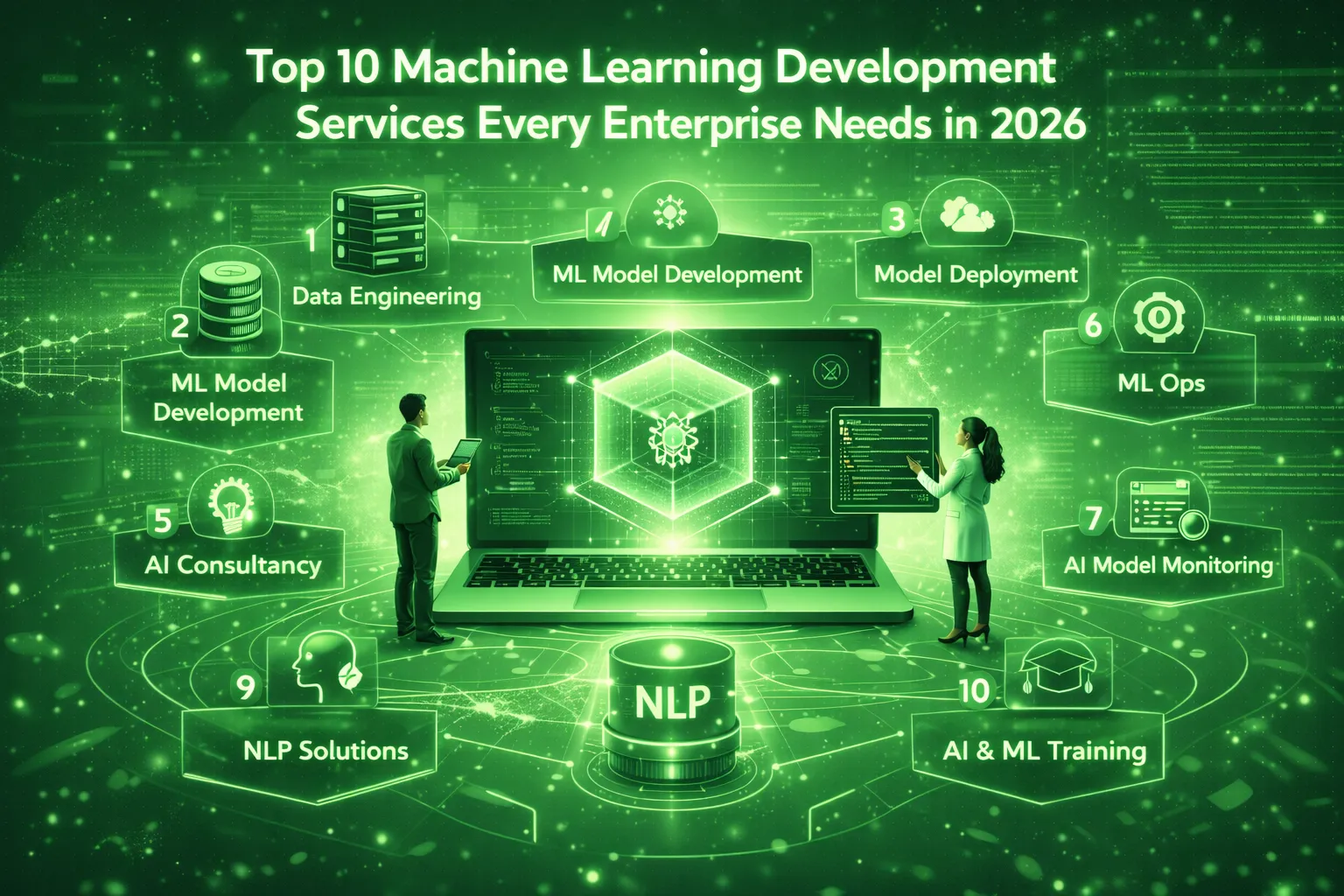
Machine Learning & Data5 min read
Discover top Machine Learning Development Services for 2026 — custom ML models, scalable solutions, and expert support to drive innovation & ROI.
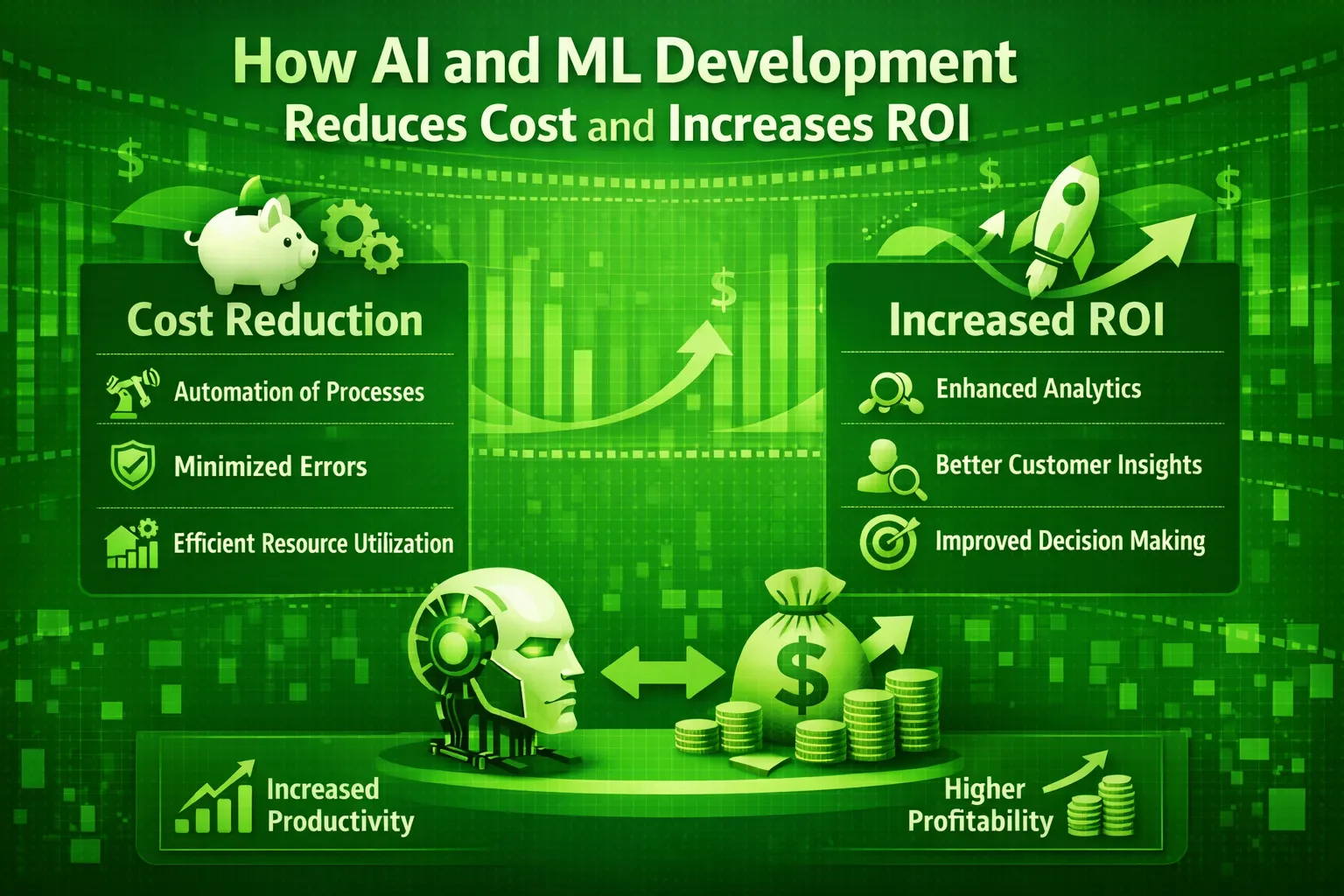
Machine Learning & Data5 min read
Discover how AI and ML development reduces operational costs, improves efficiency, and increases ROI for startups and enterprises.
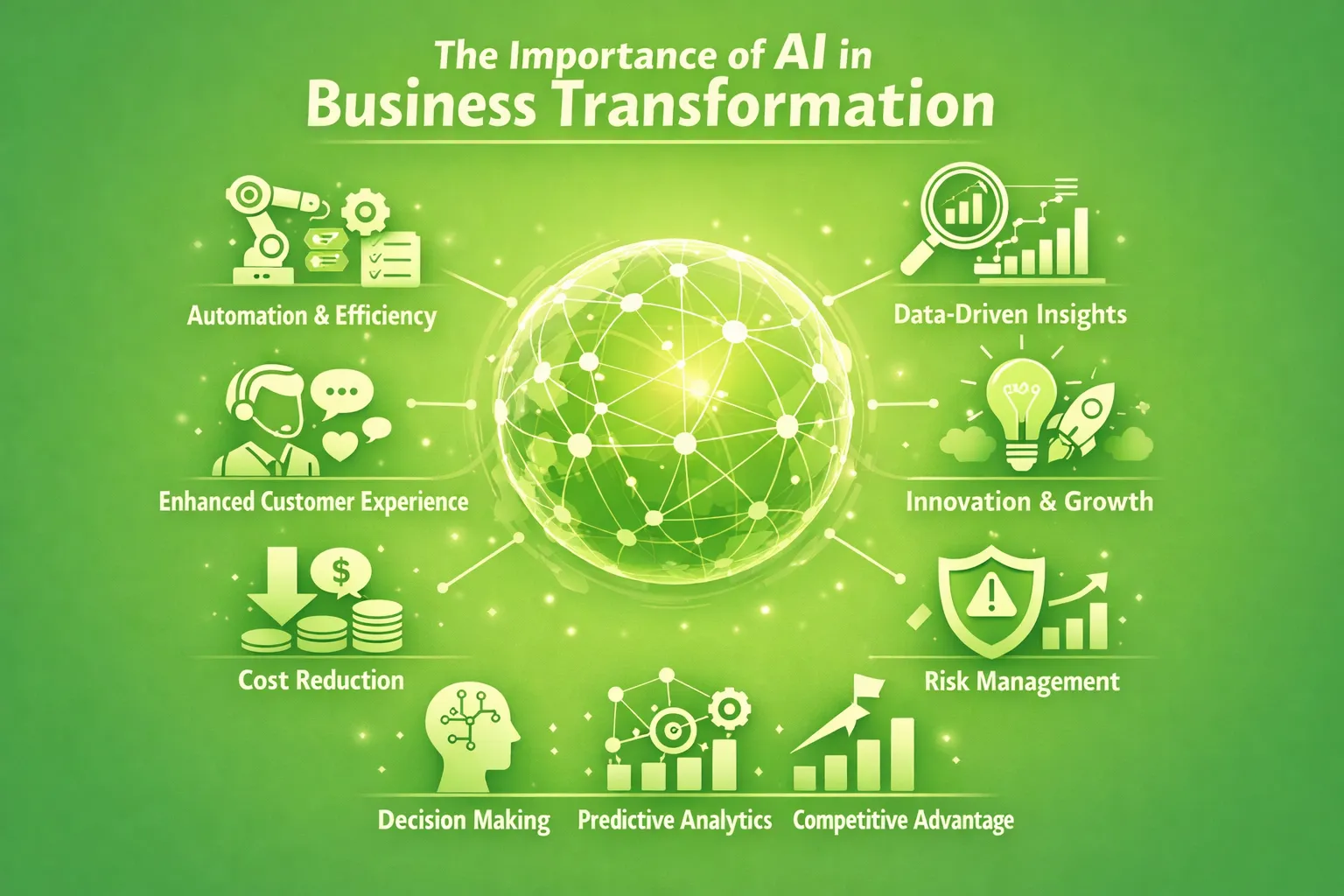
AI Development13 min read
Discover how top AI development companies are revolutionizing industries today. Unleash the power of AI to transform your business into a market leader.
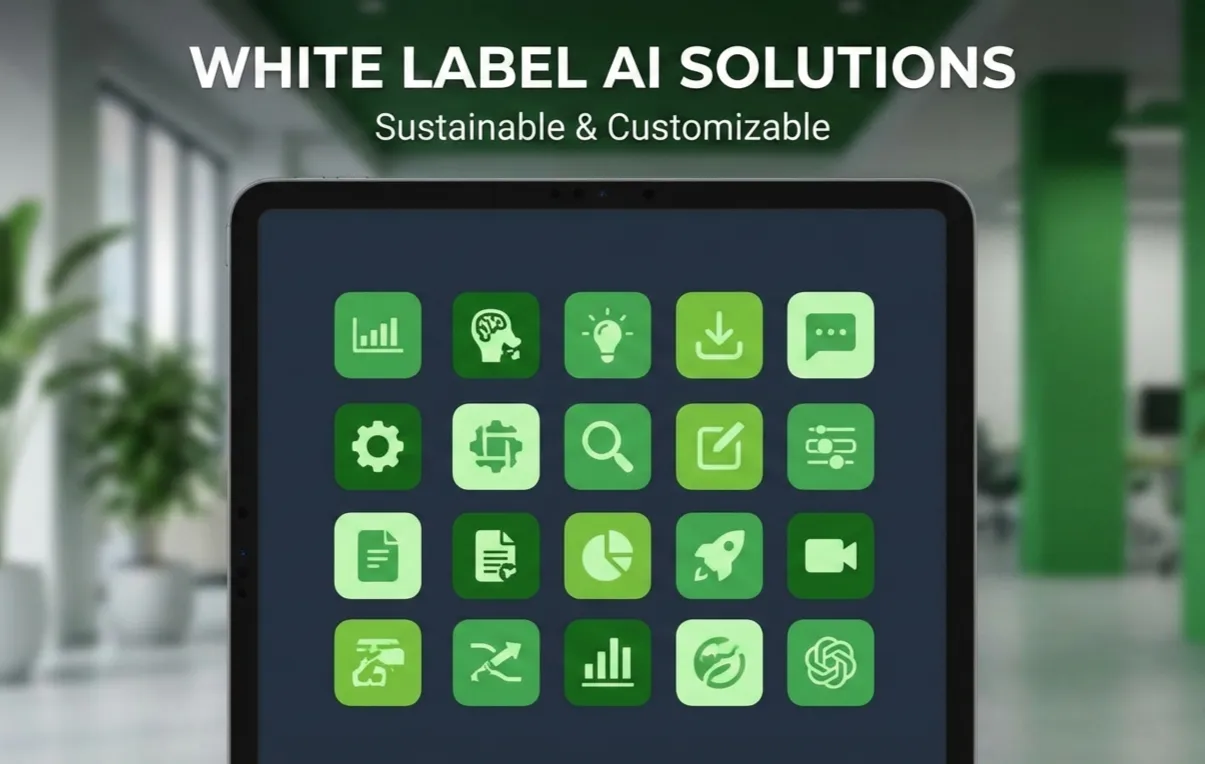
AI Use Cases6 min read
What clients want from white-label AI apps in 2026: the AI features, integrations, security and scalability that make a branded AI product worth launching.
AI Agents & Automation3 min read
AI chatbots and personalization strategies help businesses boost engagement, improve customer experience, and drive higher revenue growth.
AI Development5 min read
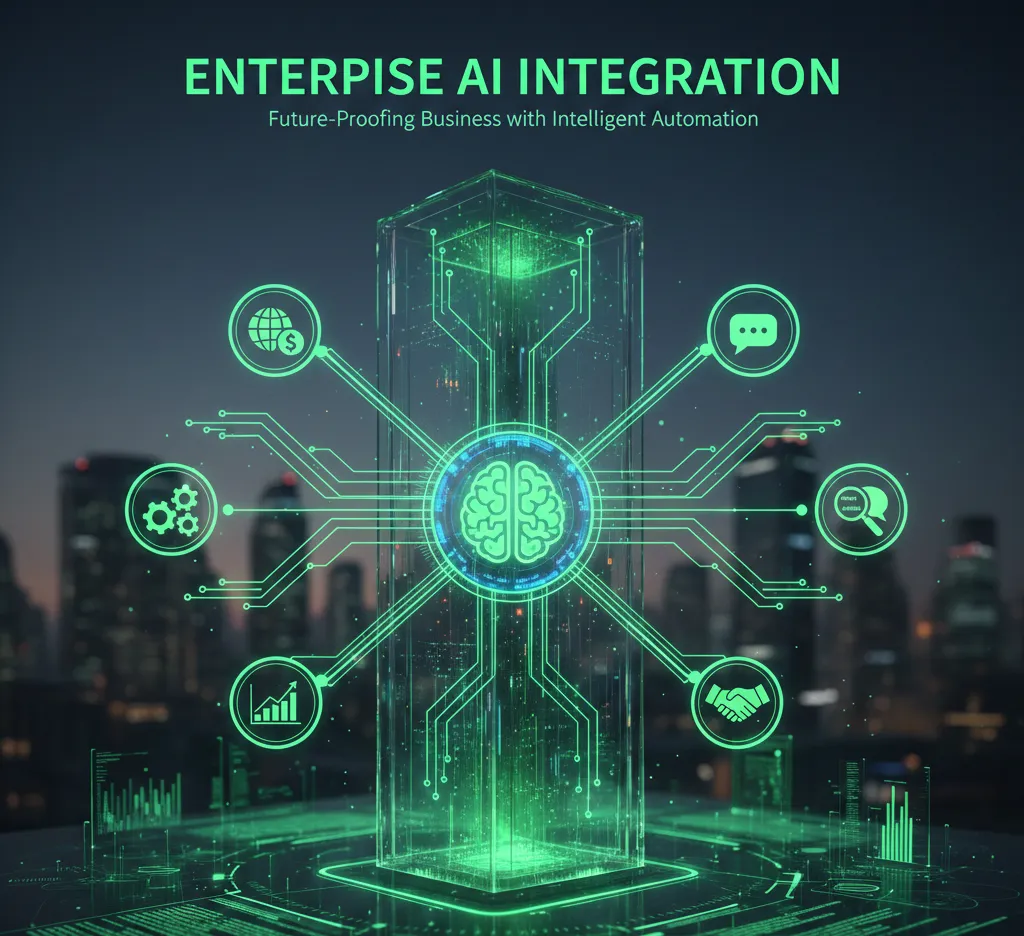
Enterprise AI integration enables seamless AI system integration, strong governance frameworks, and scalable AI adoption across enterprises.

AI Use Cases6 min read
Learn how AI object recognition speeds up product inspections, reduces manual work, and improves accuracy, transforming quality control across industries.
Machine Learning & Data6 min read
The legality of web scraping involves a mix of laws, ethics, and industry practices. In this post, we’ll break down the legal issues of web scraping.
Machine Learning & Data10 min read
AI offers a powerful solution to revolutionize customer feedback analysis, transforming how businesses gather insights for enhanced decision-making.

AI Use Cases6 min read
Discover how AI is transforming the staffing industry with smarter recruitment, faster hiring, and better talent matching. Read more now!

Generative AI & LLMs7 min read
Discover top Large Language Models trends in 2026, industry use cases, and business value. Read expert insights to implement AI the right way.
Generative AI & LLMs6 min read
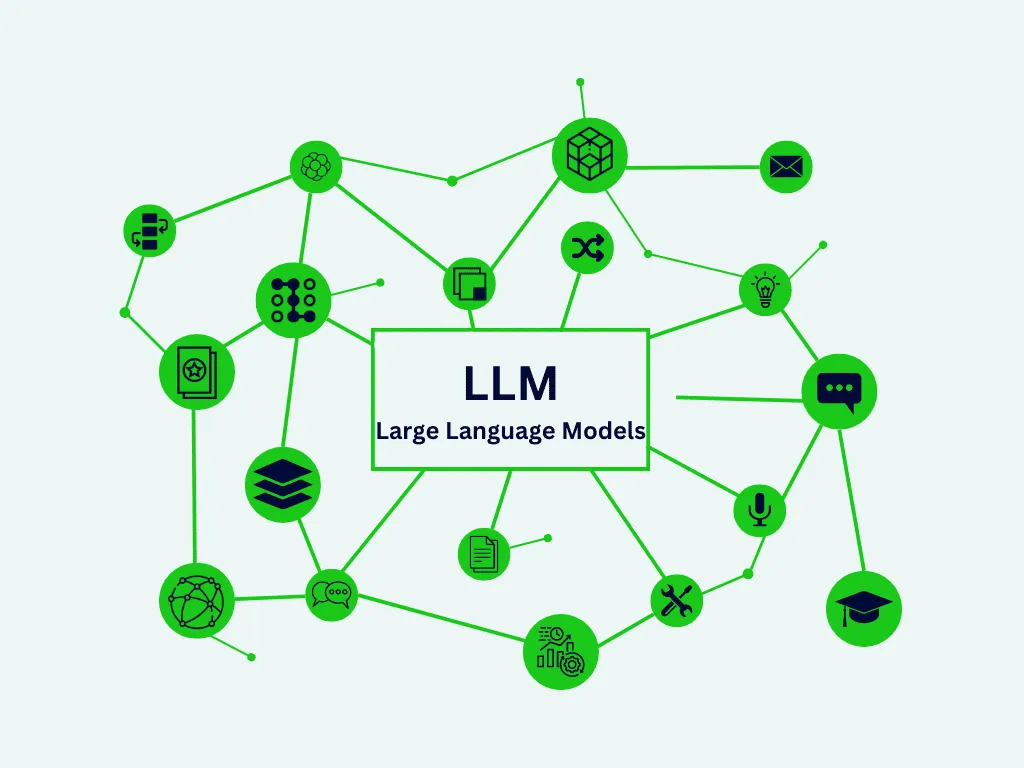
Knowing what are Large Language Models is crucial for anyone curious about AI's future. In this blog, we will explore what LLMs are and how they work.

AI Use Cases4 min read
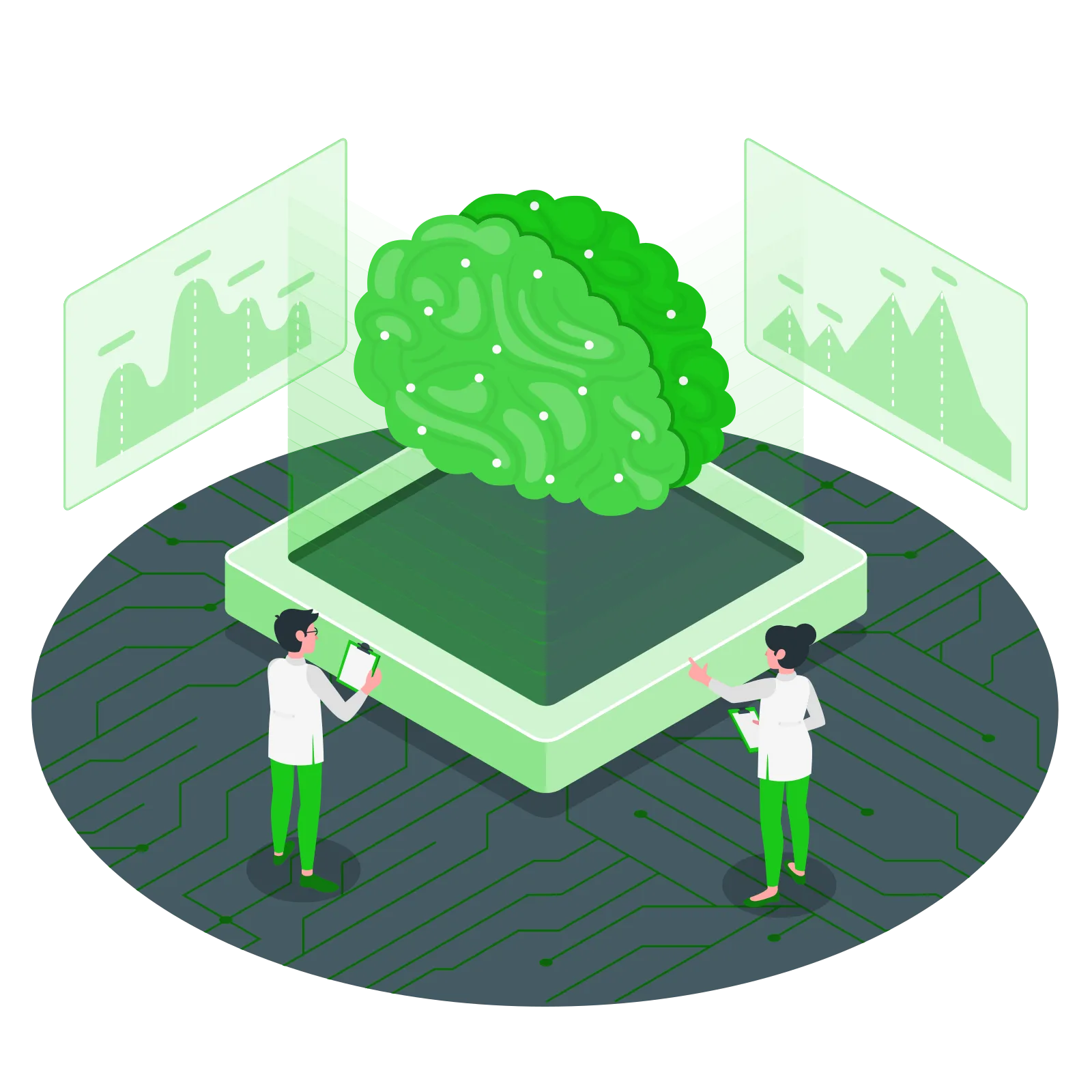
Utilizing AI and ML can significantly boost monetization and user engagement for both seasoned developers and startups in the mobile app industry.
AI Use Cases4 min read
How AI and machine learning features such as recommendations, image recognition and chat assistants are added to existing mobile apps.

AI Agents & Automation7 min read
How AI chatbots and agents answer routine customer queries, tag and route support tickets, and hand complex cases to your staff.

AI Use Cases4 min read
How AI and ML features open new opportunities in mobile apps, from personalization to image recognition, and how to add them to an existing app.
AI Development2 min read
The surge in AI development is driven by the vast amounts of data collected daily about our preferences, purchases and movements.
AI Use Cases2 min read
AI apps people use every day, from assistants such as ChatGPT, Microsoft Copilot and Hound to Socratic, Replika, FaceApp and navigation apps.

AI Agents & Automation2 min read
What a chatbot is, rule-based vs AI chatbots, whether your business needs one, and the capabilities to look for in a chatbot platform.
AI Use Cases2 min read
Machine learning and AI are not the same thing, but ML is the practical way to add narrow AI to an existing app. Here is how to implement it.
Tell us the process you want AI to handle. In a 30-minute call we will tell you honestly whether AI is the right answer. You get a range on the first call and a fixed quote after discovery.