[00] Article
The Future of AI: How Artificial Intelligence Will Change the World
The surge in AI development is driven by the vast amounts of data collected daily about our preferences, purchases and movements.
by AppsInAidate read 2 minupdated
How Artificial Intelligence Will Change the World: Future Trends and Impact
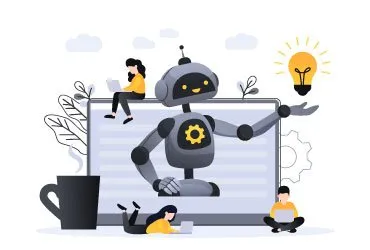
Artificial intelligence is a powerful tool that revolutionizes how we integrate information, analyze data, and enhance decision-making processes, profoundly impacting every aspect of life. From smartphones to chatbots, AI is already a pervasive presence in our digital world, often unnoticed. The surge in AI development is driven by the vast amounts of data collected daily about our preferences, purchases, and movements. Let’s explore how AI is poised to shape our future:
Medical Advances
The healthcare industry is set to undergo a significant transformation. Advanced robots will be utilized for complex surgeries with precision. This prioritizes patients’ health and wellness. Moreover, AI enhances healthcare professionals’ ability to understand patients’ daily patterns and needs.
E-Commerce:
AI will play a pivotal role in e-commerce in the future, in every sector of the industry from user experience and marketing to fulfilment and delivery. We can presume that moving forward, artificial intelligence will continue to drive e-commerce, including through the use of chat-bots, shopper personalization, image-based ad targeting, and warehouse and inventory automation.
Customer Service:
Google has built an artificial intelligence assistant that can place human-like phone calls to book appointments at, say, your neighbourhood hair salon. Beyond the words themselves, the system understands context and nuance.
Automation:
Automation is one of the most commonly cited benefits of artificial intelligence, and it has had substantial impacts on the communications, transportation, consumer products, and service industries. Automation not only leads to higher production rates and increased productivity in these segments but also allows more efficient use of raw materials, improved product quality, reduced lead times, and superior safety. Automation can also free up people and resources for more important work.
Transportation:
Beyond its central role in self-driving vehicles, AI is used in transportation to manage traffic, predict flight delays, and make ocean shipping safer and more efficient.
Entertainment:
In the future, you could sit on the couch and order up a custom movie featuring virtual actors of your choice. Meanwhile, film studios may have a future without flops: Sophisticated predictive programs will analyse a film script’s storyline and forecast its box office potential.
We have looked at how AI could change medicine, e-commerce, customer service, automation, transportation and entertainment, with effects that can be both positive and negative. To find out what AI could do for your business, book a call with AppsInAi.