

Why It’s Essential to Introduce a Smart TV App in 2026
- Author: Princee Rithikka
- Posted On: May 6, 2024
- Post Comments: 0
| Getting your Trinity Audio player ready... |
Table of Contents
ToggleWhy It’s Essential to Introduce a Smart TV App in 2026
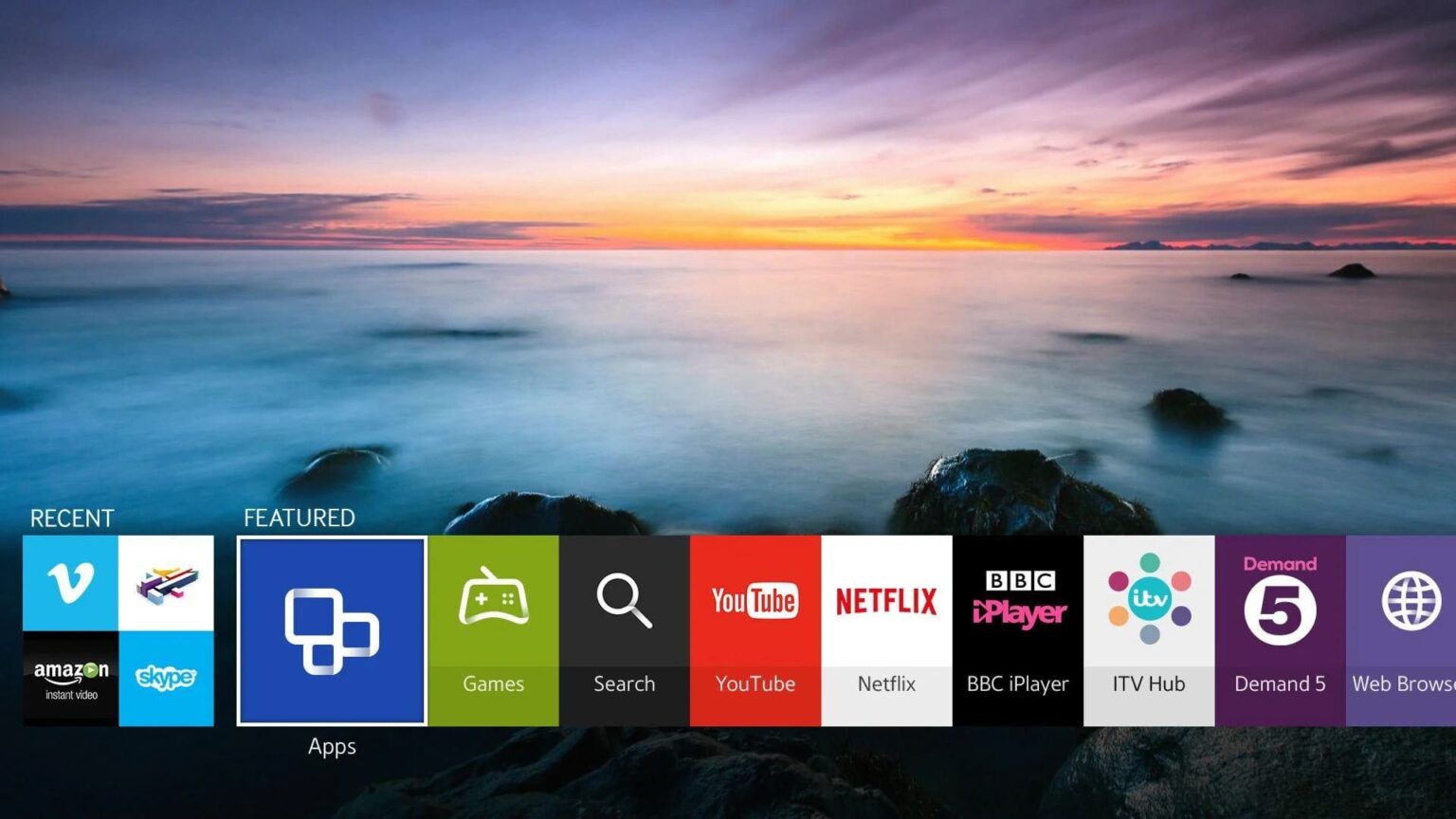
Smart TVs are no longer just an extension of traditional television – they are now powerful digital platforms that combine entertainment, commerce, advertising, and intelligent user experiences. As we move into 2026, Smart TV app development has become a strategic necessity rather than an optional innovation.
With global Smart TV penetration crossing new milestones, users are increasingly consuming OTT content, gaming, fitness programs, live commerce, education, and even enterprise dashboards directly from their television screens. For businesses, this shift represents a massive opportunity to reach users in a highly immersive, high-attention environment.
In this updated 2026 guide, we explore why introducing a Smart TV app is essential, the latest market trends, benefits, use cases, and how businesses can gain a competitive edge with Smart TV app development.
What Is a Smart TV App?
A Smart TV app is a software application designed specifically for Smart TV operating systems such as Android TV, Tizen (Samsung), webOS (LG), Fire TV, and Apple tvOS. These apps allow users to stream content, interact with services, make purchases, attend virtual events, and engage with brands directly on large screens.
Unlike mobile or web apps, Smart TV apps are optimized for:
Remote-based navigation
Large-screen UI/UX
Voice commands
Cross-device ecosystem integration
Smart TV Market Trends Shaping 2026
1. Explosive Growth of OTT & CTV Platforms
OTT and Connected TV (CTV) consumption continues to rise sharply in 2026. Users now prefer on-demand, ad-supported, and subscription-based streaming over cable TV. Brands investing in Smart TV apps gain direct access to this fast-growing audience.
2. Rise of Ad-Supported Streaming (AVOD)
Ad-supported video-on-demand (AVOD) models are booming. Businesses can monetize Smart TV apps through:
Programmatic TV ads
Interactive video ads
Brand-sponsored content
Smart TV apps offer higher ad completion rates than mobile platforms, making them extremely valuable for advertisers.
3. Voice Search & AI-Powered Recommendations
Voice assistants and AI-driven personalization have become standard features in Smart TVs. In 2026, Smart TV apps leverage:
Voice search optimization
AI-based content recommendations
Viewer behavior analytics
This improves engagement, watch time, and conversion rates.
4. Smart TV Commerce (T-Commerce)
Television commerce, or T-Commerce, is redefining how users shop. From shoppable ads to QR-based instant purchases, Smart TV apps now support seamless buying experiences.
Businesses in retail, fashion, real estate, and consumer electronics are rapidly adopting Smart TV apps to drive direct sales.
5. Gaming, Fitness & EdTech on Smart TVs
Smart TVs are now hubs for:
Cloud gaming platforms
AI-powered fitness apps
Virtual classrooms and EdTech solutions
These categories show high engagement due to immersive large-screen experiences.
Why Smart TV App Development Is Essential in 2026
1. Access to a High-Intent, Lean-Back Audience
Unlike mobile users who multitask, Smart TV viewers are highly focused. This “lean-back” experience results in:
Higher content consumption
Better ad recall
Increased brand trust
Smart TV apps allow brands to engage users when they are most attentive.
2. Strong Brand Presence on the Largest Screen
A Smart TV app positions your brand directly in the living room – one of the most influential spaces in a household. This significantly boosts:
Brand visibility
Credibility
Long-term customer loyalty
3. Higher Revenue Potential
Smart TV apps unlock multiple monetization models:
Subscription (SVOD)
Advertising (AVOD)
Transaction-based (TVOD)
In-app purchases
In 2026, businesses with Smart TV apps report higher average revenue per user (ARPU) compared to mobile-only platforms.
4. Cross-Platform Ecosystem Integration
Modern Smart TV apps integrate seamlessly with:
Mobile apps
Wearables
IoT devices
Smart home systems
This creates a unified, omnichannel user experience.
5. Competitive Advantage in a Crowded Digital Market
Many businesses still focus only on mobile and web platforms. Launching a Smart TV app in 2026 gives you a first-mover advantage in your niche.
Top Business Use Cases for Smart TV Apps
OTT & Media Streaming Platforms
Movies, TV shows, live sports
Regional and niche content
Subscription and ad-based models
Retail & E-Commerce
Interactive product catalogs
Shoppable video ads
Live product launches
Fitness & Wellness
AI-guided workouts
Live and on-demand fitness classes
Health tracking integrations
Education & EdTech
Virtual classrooms
Skill-based training
Corporate learning platforms
Gaming & Entertainment
Cloud gaming apps
Multiplayer experiences
Family-friendly interactive content
Enterprise & Corporate Apps
Internal dashboards
Corporate communications
Digital signage solutions
Key Features of a Successful Smart TV App in 2026
Intuitive remote-friendly navigation
Voice search and control
AI-powered personalization
Multi-profile user support
High-performance streaming
Advanced analytics and reporting
Cross-platform compatibility
Why Choose AppsIn.ai for Smart TV App Development?
AppsIn.ai specializes in building scalable, high-performance Smart TV applications tailored to business goals. Our expertise includes:
Custom Smart TV app development
OTT and CTV solutions
AI-driven personalization
Monetization strategy implementation
End-to-end support from ideation to launch
We help businesses future-proof their digital presence with cutting-edge Smart TV solutions.
Conclusion: Smart TV Apps Are a Business Imperative in 2026
As consumer behavior continues shifting toward connected television platforms, Smart TV apps are becoming a critical digital touchpoint. Businesses that invest in Smart TV app development in 2026 position themselves for higher engagement, stronger branding, and sustainable revenue growth.
If your brand aims to stay competitive in the evolving digital ecosystem, now is the time to introduce a Smart TV app and unlock the full potential of the largest screen in the home.
Frequently Asked Questions
Smart TV app development is the process of creating applications specifically designed for Smart TV platforms such as Android TV, Samsung Tizen, LG webOS, Amazon Fire TV, and Apple tvOS. These apps are optimized for large screens, remote navigation, voice control, and immersive user experiences.
In 2026, Smart TV app development is important because consumer content consumption has shifted heavily toward Connected TV (CTV) and OTT platforms. Smart TV apps help businesses reach high-intent users, improve engagement, strengthen brand visibility, and unlock new monetization opportunities through ads, subscriptions, and in-app purchases.
Industries that benefit most from Smart TV apps include OTT media and entertainment, e-commerce and retail, fitness and wellness, education and EdTech, gaming, real estate, and enterprises using digital signage or internal communication platforms.
A successful Smart TV app in 2026 should include remote-friendly navigation, voice search, AI-powered content recommendations, multi-user profiles, high-quality streaming, cross-device integration, analytics, and secure monetization features.
Smart TV apps can generate revenue through multiple models such as subscription-based access (SVOD), advertising (AVOD), pay-per-view (TVOD), shoppable TV commerce, brand partnerships, and in-app purchases.
For maximum reach, businesses should target popular Smart TV platforms including Android TV, Samsung Tizen OS, LG webOS, Amazon Fire TV, and Apple tvOS. A multi-platform strategy ensures better scalability and audience coverage.


Search
Categories
- AI Agents (2)
- AI and ML Development (3)
- App development (2)
- App Maintenance (1)
- App Marketing (2)
- Artificial Intelligence (21)
- Big Data & Data Science (1)
- Blockchain (1)
- ChatGPT Development (2)
- Cost Estimation (1)
- Digital Signage (1)
- Generative ai (2)
- Internet of Things (IoT) (4)
- Large Language Model Development (1)
- Machine Learning (8)
- Mobile App Development (5)
- Object Recognition (1)
- Smart TV (2)
- Software Development (4)
- Web Development (1)
Tag Cloud
Recent Posts
- Artificial intelligence development company: Transform Innovation Today
- How an AI Development Company Helps Enterprises Scale Faster
- AI/ML Development Services: A Strategic Investment Guide for CEOs & CTOs
- Why Your Business Needs Generative AI Solutions in 2026
- Mobile App Development in Dubai: Emerging Trends & Business Opportunities
Recent Comments