

Boosting Business Performance with AI-Powered Process Automation
- Author: Arun Kumar
- Posted On: March 6, 2026
- Post Comments: 0
| Getting your Trinity Audio player ready... |
Table of Contents
ToggleHow AI Agents Can Automate Business Processes and Boost Productivity
In today’s fast-paced business environment, companies are under constant pressure to optimize operations, reduce costs, and improve efficiency. One technology that has emerged as a game-changer in achieving these goals is artificial intelligence (AI). Specifically, AI agents -autonomous software programs that can perform tasks without constant human supervision – are transforming how businesses operate. By automating repetitive tasks, enhancing decision-making, and streamlining workflows, AI agents are helping businesses boost productivity like never before.
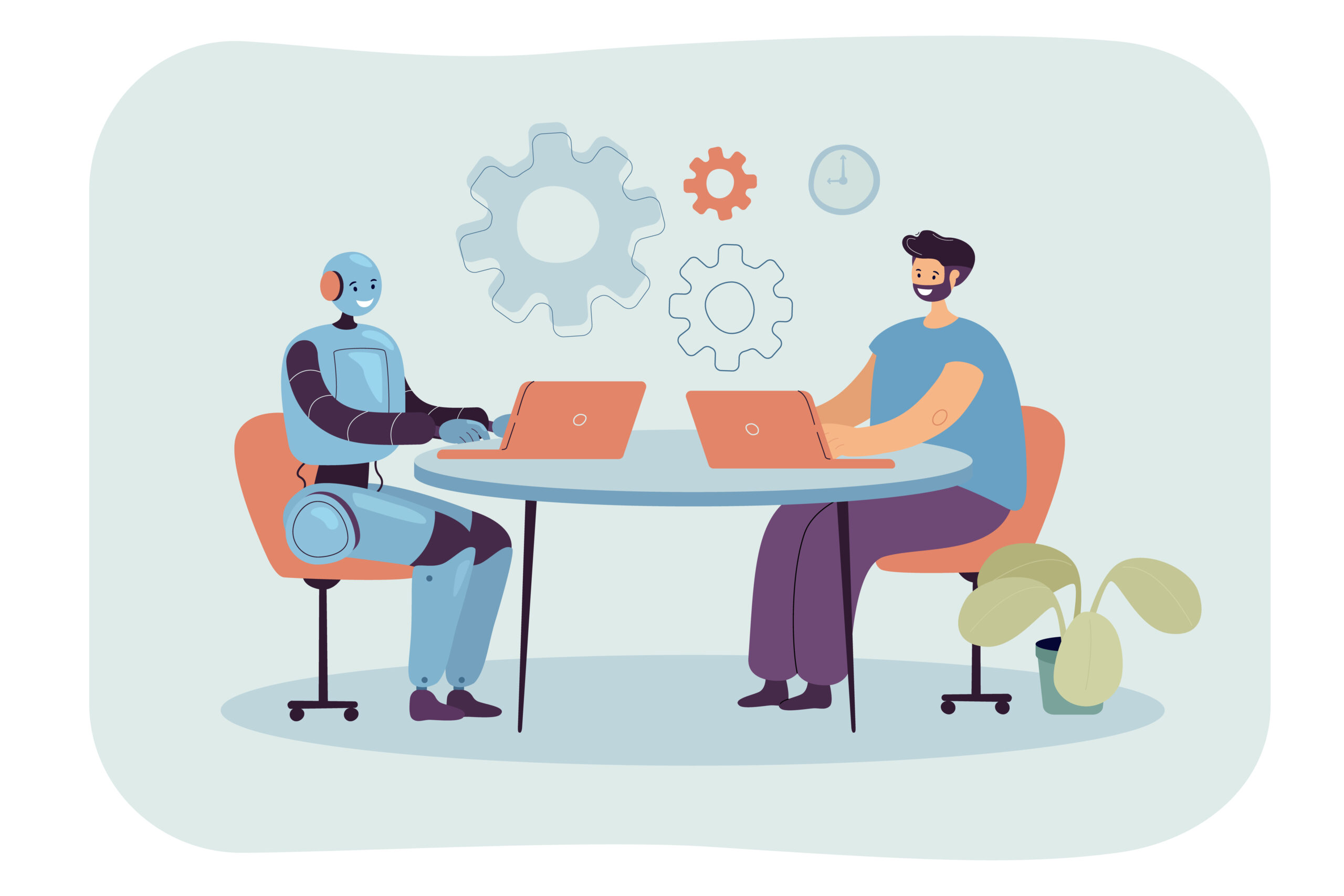
Understanding AI Agents in Business
AI agents are intelligent systems designed to mimic human decision-making and behavior. Unlike traditional software that requires explicit instructions for every task, AI agents use advanced algorithms, machine learning, and natural language processing (NLP) to understand context, learn from experience, and act autonomously. They can interact with multiple systems, analyze data in real time, and execute complex workflows efficiently.
AI agents can be deployed across various business functions, including:
Customer service: Automating responses through AI chatbots and virtual assistants.
Sales and marketing: Generating leads, personalizing campaigns, and tracking customer interactions.
Human resources: Screening resumes, scheduling interviews, and managing employee queries.
Operations and logistics: Optimizing supply chain, inventory management, and workflow automation.
The ability to operate autonomously and adapt to changing business needs makes AI agents indispensable for modern enterprises.
Key Benefits of AI Agents for Business Process Automation
Implementing AI agents can have a profound impact on a company’s efficiency, cost-effectiveness, and overall productivity. Here are some of the key benefits:
1. Automating Repetitive Tasks
Repetitive, rule-based tasks consume a significant portion of employees’ time. AI agents can automate these tasks, including:
Data entry and validation
Invoice processing
Order management
Scheduling and reminders
By freeing employees from mundane tasks, businesses can redirect human talent to more strategic initiatives, driving innovation and growth.
2. Enhancing Decision-Making with Data Insights
AI agents excel in analyzing large volumes of data quickly and accurately. They can detect patterns, identify trends, and provide actionable insights that inform better decision-making. For instance:
Predictive analytics for sales forecasting
Demand planning for inventory management
Customer behavior analysis for marketing strategies
This data-driven approach allows businesses to make informed decisions faster, reducing errors and improving overall performance.
3. Streamlining Workflow and Operations
AI agents can integrate multiple systems within a business to create seamless workflows. For example, in an e-commerce company, an AI agent can:
Receive an order from the website
Verify inventory levels
Notify the warehouse team for packaging
Update the customer automatically
This end-to-end automation reduces operational delays and ensures consistency across processes.
4. Improving Customer Experience
AI agents are revolutionizing customer service. Virtual assistants and AI-powered chatbots can handle inquiries 24/7, provide personalized recommendations, and resolve issues instantly. Benefits include:
Reduced response time for customer queries
Enhanced personalization in communication
Increased customer satisfaction and loyalty
By improving the customer experience, businesses can gain a competitive advantage in crowded markets.
5. Reducing Operational Costs
By automating routine tasks and improving efficiency, AI agents help companies reduce labor costs and minimize errors. Fewer mistakes mean lower costs for rework, refunds, or compliance issues, contributing directly to profitability.
Top AI Agents Driving Business Productivity
Several types of AI agents are leading the automation revolution:
1. Robotic Process Automation (RPA) Agents
RPA agents specialize in automating rule-based, repetitive tasks. They work with existing applications without needing major system changes. Common use cases include:
Financial reporting and accounting
Payroll processing
Supply chain management
2. Conversational AI Agents
Conversational AI agents, like chatbots or virtual assistants, interact with humans using natural language. They are widely used in:
Customer support
Sales inquiries
Employee help desks
3. Intelligent Analytics Agents
These agents analyze complex datasets and provide actionable insights. They use machine learning algorithms to:
Predict trends
Optimize resource allocation
Detect anomalies in operations
4. Autonomous Workflow Agents
Autonomous workflow agents can manage end-to-end business processes across multiple systems. They can trigger actions based on predefined conditions and continuously optimize workflows for efficiency.
Real-World Applications of AI Agents in Business
1. E-Commerce
AI agents automate inventory management, order processing, and personalized marketing. For example, an AI agent can recommend products to customers based on previous purchases, increasing sales conversion rates.
2. Finance
In finance, AI agents handle fraud detection, risk analysis, and regulatory compliance. Banks and financial institutions are using AI agents to streamline loan approvals and investment decisions.
3. Healthcare
Healthcare providers use AI agents for patient data management, appointment scheduling, and telehealth support. AI agents also assist in diagnosing diseases by analyzing medical images and historical patient data.
4. Manufacturing
In manufacturing, AI agents optimize production schedules, monitor machinery, and predict maintenance needs. This reduces downtime and increases overall productivity.
5. Human Resources
AI agents assist HR teams by screening resumes, scheduling interviews, managing employee queries, and analyzing workforce productivity metrics. This streamlines recruitment and enhances employee experience.
Steps to Implement AI Agents in Your Business
Integrating AI agents into business processes requires careful planning and execution. Here’s a step-by-step guide:
1. Identify Repetitive Tasks
Start by mapping out processes that are time-consuming, repetitive, and rule-based. These tasks are ideal candidates for automation.
2. Define Objectives and KPIs
Determine the goals of AI agent implementation, such as reducing processing time, lowering costs, or improving customer satisfaction. Set measurable KPIs to track progress.
3. Choose the Right AI Agent Technology
Select the AI agent type that best suits your business needs—RPA for rule-based tasks, conversational AI for customer interactions, or intelligent analytics for data-driven insights.
4. Train and Test the AI Agent
Train the AI agent with historical data and test it in a controlled environment. Ensure it performs accurately and reliably before full-scale deployment.
5. Monitor and Optimize
Continuously monitor the AI agent’s performance and refine its algorithms. AI agents learn and improve over time, enhancing efficiency and productivity.
Challenges and Considerations
While AI agents offer significant advantages, businesses must be aware of potential challenges:
Data privacy and security: AI agents process sensitive data, requiring robust cybersecurity measures.
Employee adaptation: Staff may resist changes, so proper training and change management are essential.
Integration with legacy systems: Older systems may require modifications to support AI agent automation.
Ongoing maintenance: AI agents require updates and monitoring to remain effective.
Future of AI Agents in Business
The role of AI agents in business is only expected to grow. Emerging trends include:
Hyper-automation: Combining AI agents with RPA, machine learning, and process mining for fully automated operations.
AI-driven decision support: Agents providing real-time insights for strategic decision-making.
Personalized AI agents: Tailored to individual employee or customer needs, enhancing engagement and productivity.
Edge AI integration: AI agents working on IoT devices for real-time monitoring and automation in manufacturing and logistics.
Businesses that adopt AI agents early can gain a significant competitive edge, improve operational efficiency, and unlock new opportunities for growth.
Conclusion
AI agents are transforming the way businesses operate by automating repetitive tasks, streamlining workflows, and providing actionable insights. From customer service to finance, manufacturing, and HR, AI agents are driving efficiency, reducing costs, and boosting productivity.
For companies looking to stay competitive in the modern marketplace, integrating AI agents into business processes is no longer optional-it’s essential. By leveraging AI agents strategically, businesses can free human talent for creative and strategic initiatives, optimize operations, and deliver exceptional value to customers.
Frequently Asked Questions
What are AI agents in business?
AI agents are autonomous software programs that perform tasks, make decisions, and interact with systems without constant human supervision. They leverage machine learning, natural language processing (NLP), and intelligent automation to streamline business processes and boost productivity.
How do AI agents automate business processes?
AI agents automate business processes by handling repetitive tasks, analyzing data, managing workflows, and executing actions across multiple systems. Examples include automated invoice processing, lead generation, customer support via chatbots, and predictive analytics for operations.
Which business functions can AI agents improve?
AI agents can be applied across multiple business functions, including:
Customer service (chatbots, virtual assistants)
Sales and marketing (lead scoring, campaign automation)
Human resources (resume screening, scheduling)
Finance (fraud detection, risk analysis)
Operations and logistics (inventory management, supply chain optimization)
What is the difference between RPA and AI agents?
Robotic Process Automation (RPA) focuses on automating rule-based, repetitive tasks. AI agents, on the other hand, can make intelligent decisions, learn from data, and adapt to changing scenarios, making them more flexible and capable of handling complex business processes.
How can AI agents improve customer experience?
AI agents enhance customer experience by providing personalized recommendations, instant query resolution, and 24/7 support. They help reduce response times, improve engagement, and increase customer satisfaction and loyalty.
What challenges might businesses face when adopting AI agents?
Challenges include data privacy and security concerns, employee resistance to change, integration with legacy systems, and the need for ongoing maintenance and updates to keep AI agents effective.
What is the future of AI agents in business?
The future of AI agents involves hyper-automation, personalized AI agents, AI-driven decision support, and integration with IoT devices for real-time operations. Businesses that adopt AI agents early can gain a competitive edge, improve efficiency, and unlock new growth opportunities.

